
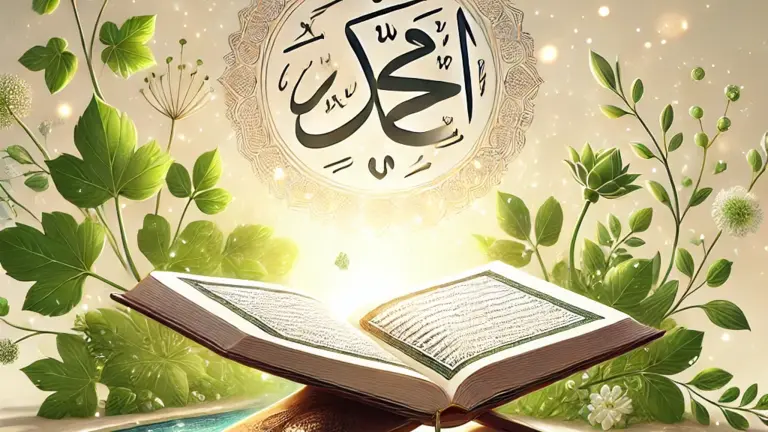
Legal Ruqyah (الرقية الشرعية) is a deeply rooted Islamic practice aimed at protecting individuals from harm, offering healing, and strengthening their connection with the divine mercy of Allah. It is essential to follow the Quran and the Sunnah to ensure that Ruqyah is performed in accordance with Islamic teachings. This article explores the importance of Ruqyah, its practical steps, and the online courses offered by Al Dirassa Institute for those who wish to deepen their knowledge of Islam and the Quran. Enroll now to access Al Dirassa Institute’s diverse courses on Quranic Tafsir, the Arabic language, and teachings based on the Sunnah.
What Is Legal Ruqyah in Islam?
Legal Ruqyah consists of reciting verses from the Quran, invocations, and supplications taught by Prophet Muhammad (peace be upon him) in order to seek protection and healing. Unlike forbidden forms of Ruqyah, it relies exclusively on the words of Allah and avoids any form of shirk, or associating partners with Allah. This practice aims to protect against the evil eye (al-‘ayn), black magic (sihr), and possession by jinn. It is a spiritual remedy that emphasizes tawakkul, or trust in Allah, and adherence to Islamic principles.
Book your free trial of 30 minutes
Registration form
Verses and Supplications for Ruqyah from the Quran and Sunnah
The following Quranic verses and authentic supplications are commonly used in legal Ruqyah:
- Surah Al-Fatihah (1:1–7): The opening chapter of the Quran, often referred to as “The Healing.”
- Ayat Al-Kursi (2:255): A verse known for its protection against harm.
- The last two verses of Surah Al-Baqarah (2:285–286): For complete protection.
- Surahs Al-Ikhlas (112), Al-Falaq (113), and An-Nas (114): To be recited three times in the morning and evening for protection.
- Specific supplications: Such as A‘udhu bi kalimatillahi at-tammati min sharri ma khalaq (I seek refuge in the perfect words of Allah from the evil of what He has created).
Al Dirassa Institute offers comprehensive online courses to help learners understand and apply these powerful verses correctly and authentically, in accordance with the methods taught by the Prophet (peace be upon him).
Benefits of Legal Ruqyah for Physical and Spiritual Healing
Legal Ruqyah offers comprehensive healing for both body and soul. Its benefits include:
- Spiritual strength: It strengthens faith and trust in Allah.
- Physical healing: It may be used for illnesses with a spiritual cause.
- Protection: It protects against the evil eye, envy, and harmful supernatural entities.
- Inner peace: It encourages mindfulness and trust in Allah during times of distress.
How to Perform Legal Ruqyah: Protection Against the Evil Eye, Jinn, and Black Magic
To perform Ruqyah, it is crucial to have a sincere intention, remain in a state of purity, and follow Islamic guidelines:
- Prepare yourself spiritually: Perform ablution, or wudu, and find a clean and quiet place.
- Begin with the intention: Have a sincere intention to seek Allah’s help for healing and protection.
- Recite the appropriate verses and supplications: Focus on verses such as Ayat Al-Kursi, Surah Al-Falaq, and Surah An-Nas.
- Blow over yourself or over water: After reciting, gently blow over your hands, your body, or water to convey the blessings.
- Repeat regularly: Consistency is essential, especially in cases involving persistent issues such as black magic or possession.
For a deeper understanding, Al Dirassa Institute offers courses on Quranic healing and the Prophetic Sunnah, providing detailed insights into the Ruqyah process.
How Did the Prophet (Peace Be Upon Him) Teach Us Legal Ruqyah Practices?
Prophet Muhammad (peace be upon him) gave practical examples of how to perform Ruqyah. He especially encouraged the recitation of Surahs Al-Falaq and An-Nas for protection and healing others. An example from the Sunnah: The Prophet recited: “Bismillah arqeek, min kulli shay’in yu’dheek, wa min sharri kulli nafsin aw ‘aynin hasid. Allahu yashfeek” (In the name of Allah, I perform Ruqyah for you against everything that harms you, from the evil of every soul and every envious eye. May Allah heal you.)
Forbidden Practices in Ruqyah: What to Avoid
For Ruqyah to remain lawful and effective, the following must be avoided:
- Using amulets or talismans: These often involve shirk and are strictly forbidden.
- Unverified healers: Avoid practitioners who claim to use spirits or non-Islamic methods.
- Relying on non-Quranic sources: Rely only on the Quran and authentic supplications from the Sunnah.
- Exaggeration in rituals: Ruqyah is based on sincere supplication, not rigid ceremonies.
Frequently Asked Questions About Ruqyah
- Can I perform Ruqyah on myself? Yes, self-Ruqyah is strongly encouraged. The Prophet (peace be upon him) often performed Ruqyah on himself and on his family using Surahs Al-Falaq and An-Nas.
- How often should Ruqyah be performed? There is no fixed frequency, but consistency in the morning and evening supplications enhances protection.
- Can Ruqyah be learned online? Yes. Al Dirassa Institute offers comprehensive courses to learn Quranic recitation and understanding, which are ideal for mastering Ruqyah.
- Is Ruqyah effective for physical illnesses? Ruqyah is particularly effective for ailments of spiritual origin, but it should be accompanied by medical treatment for physical illnesses.
Conclusion
Legal Ruqyah is a practice in accordance with the Sunnah that offers protection and healing. By respecting Islamic principles, avoiding forbidden methods, and reciting the appropriate Quranic verses and supplications, believers can ensure that their Ruqyah is effective. To deepen your knowledge of Ruqyah, the Quran, and the Sunnah, the online courses offered by Al Dirassa Institute are a valuable resource. Learn more: Prophetic Medicine in Islam

No Comments
No comments yet.
No comments yet.