- Al-Dirassa Institute
- No comments
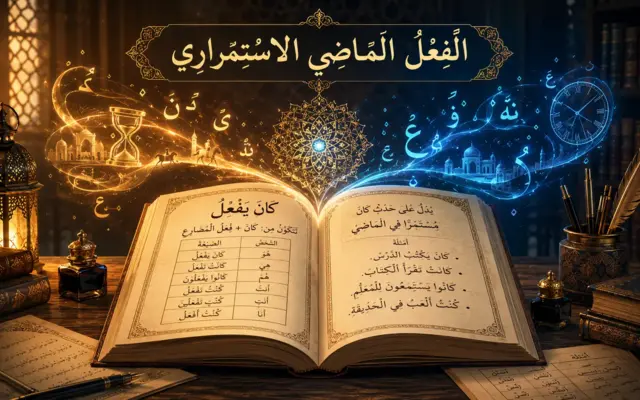
Introduction In Arabic, the Past Continuous tense is formed by using the helping verb كَانَ (kana), which means "was" or "were, " followed by the imperfect tense of the main verb. This tense is used t…

Introduction The subjunctive اَلْمُضَارِعُ الْمَنْصُوبُ and the jussive الْمُضَارِعُ المَجْزُومُ modify the verb in the imperfect tense. When a particle such as أَنْ (that) precedes the imperfect verb…
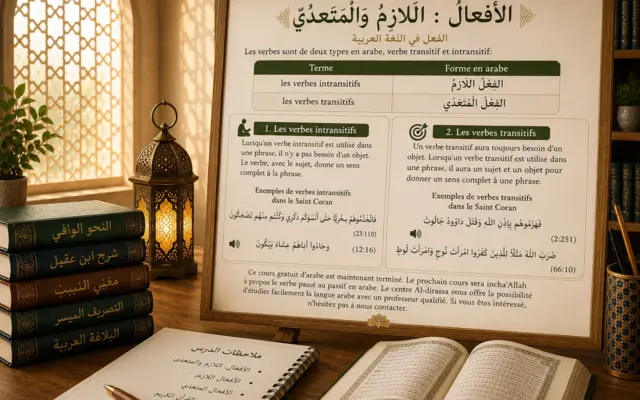
Introduction In the Arabic language, verbs are categorized into two main types: intransitive verbs, known as "اَلْفِعْلُ اللَّازِمُ, " and transitive verbs, referred to as "اَلْفِعْلُ الْمُتَعَدَّى." …
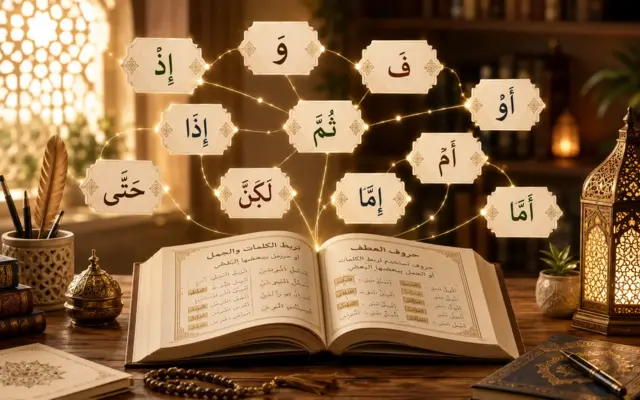
Introduction Conjunctions are grammatical elements used to link words within sentences. 1. Types of particles of conjunction Here is a refined list of conjunctions: 1. وَ - "and." This is known as وَا…
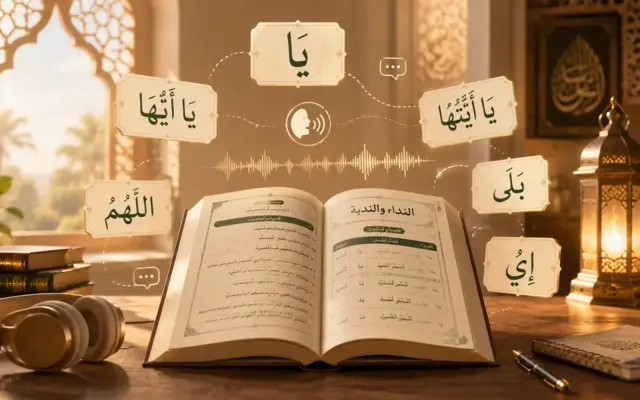
1. The interjection: the vocative Vocative particles in Arabic are utilized to directly address or call someone. These particles, known as أَدَوَاتُ النَّدَاء, play a crucial role in expressing attent…
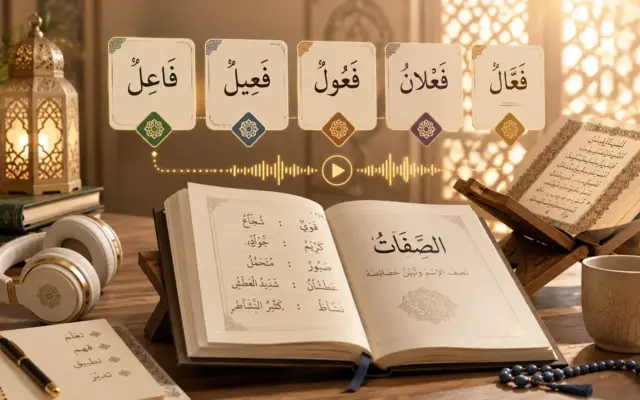
In this Arabic grammar lesson, we will study Arabic adjectives. This concept is essential for describing a person, an object, a place, a quality, a color or a state. In Arabic, an adjective is called …
Our students speak about us
Some testimonials from students who joined Al-Dirassa Institute and are happy to share their experience.