- Institut Al-Dirassa
- No comments
Introduction In Arabic, there are two primary genders: masculine (المُذَكَّرُ) and feminine (الْمُؤَنَّثُ). Outside of specific feminine categories, words generally default to the masculine form. 1.…
- Institut Al-Dirassa
- No comments
Introduction In Arabic, the term for declension is الإِعْرَابُ, introduced earlier in Chapter 2. Based on الإِعْرَابُ, nouns are categorized into two groups: Indeclinable (الْمَبْنِي) and Declinable (…

- Institut Al-Dirassa
- No comments
Ali ibn Abi Talib - A Testimony of Love and Devotion to the Prophet ﷺ Ali ibn Abi Talib, the cousin and son-in-law of the Prophet Muhammad ﷺ, stands as a shining example of unwavering love and devotio…

- Institut Al-Dirassa
- No comments
Introduction The four-lettered verbs in Arabic, distinct from the more common tri-literal form فَعَلَ, are uniquely constructed from a root of فَعْلَلَ. These verbs consist of four letters and follow…
- Institut Al-Dirassa
- No comments
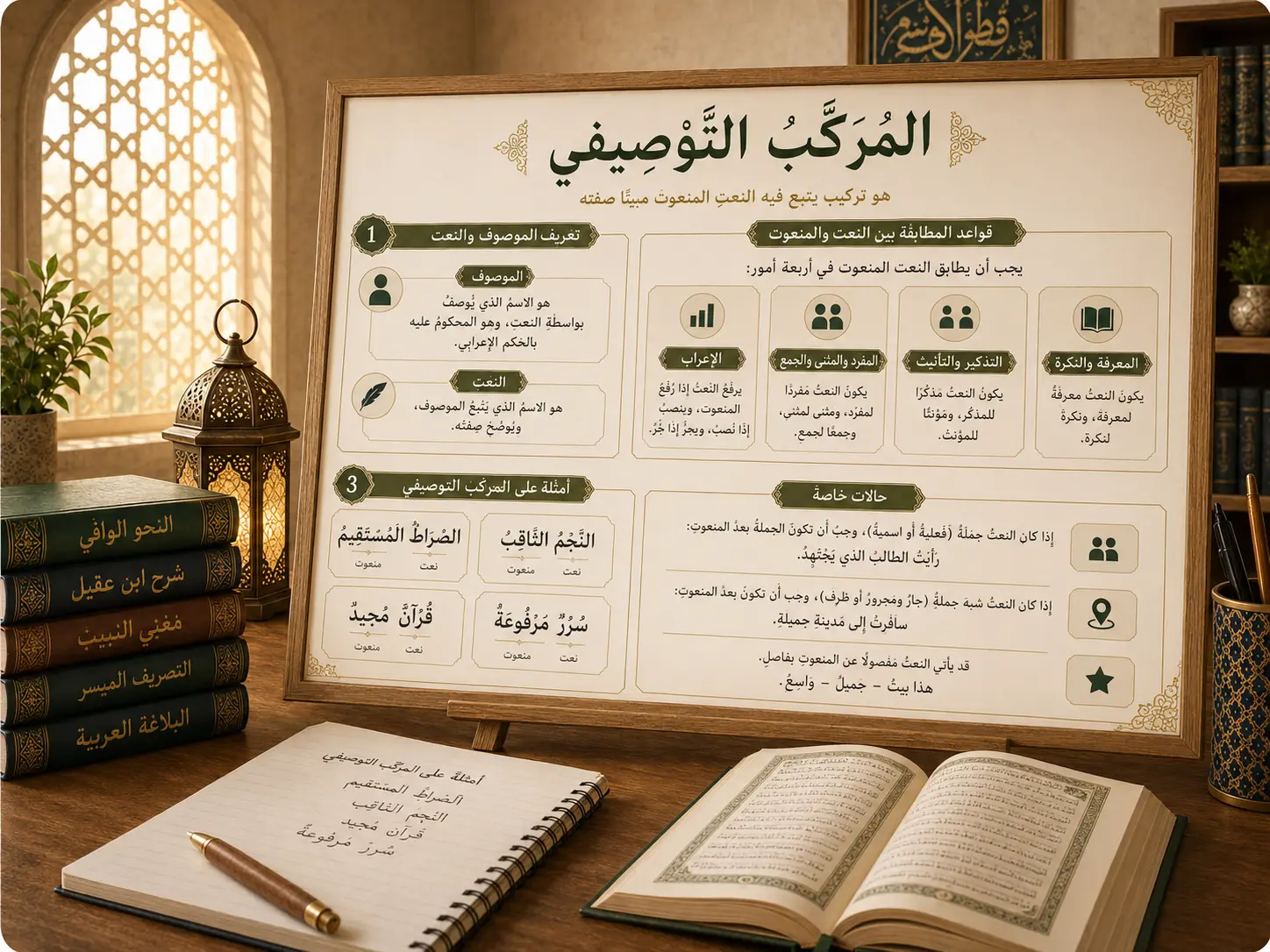
Introduction In Arabic, the descriptive phrase pairs two nouns, with the second acting as an adjective that elucidates the nature of the first. Within this structure, the primary noun, the one being d…
- Institut Al-Dirassa
- No comments
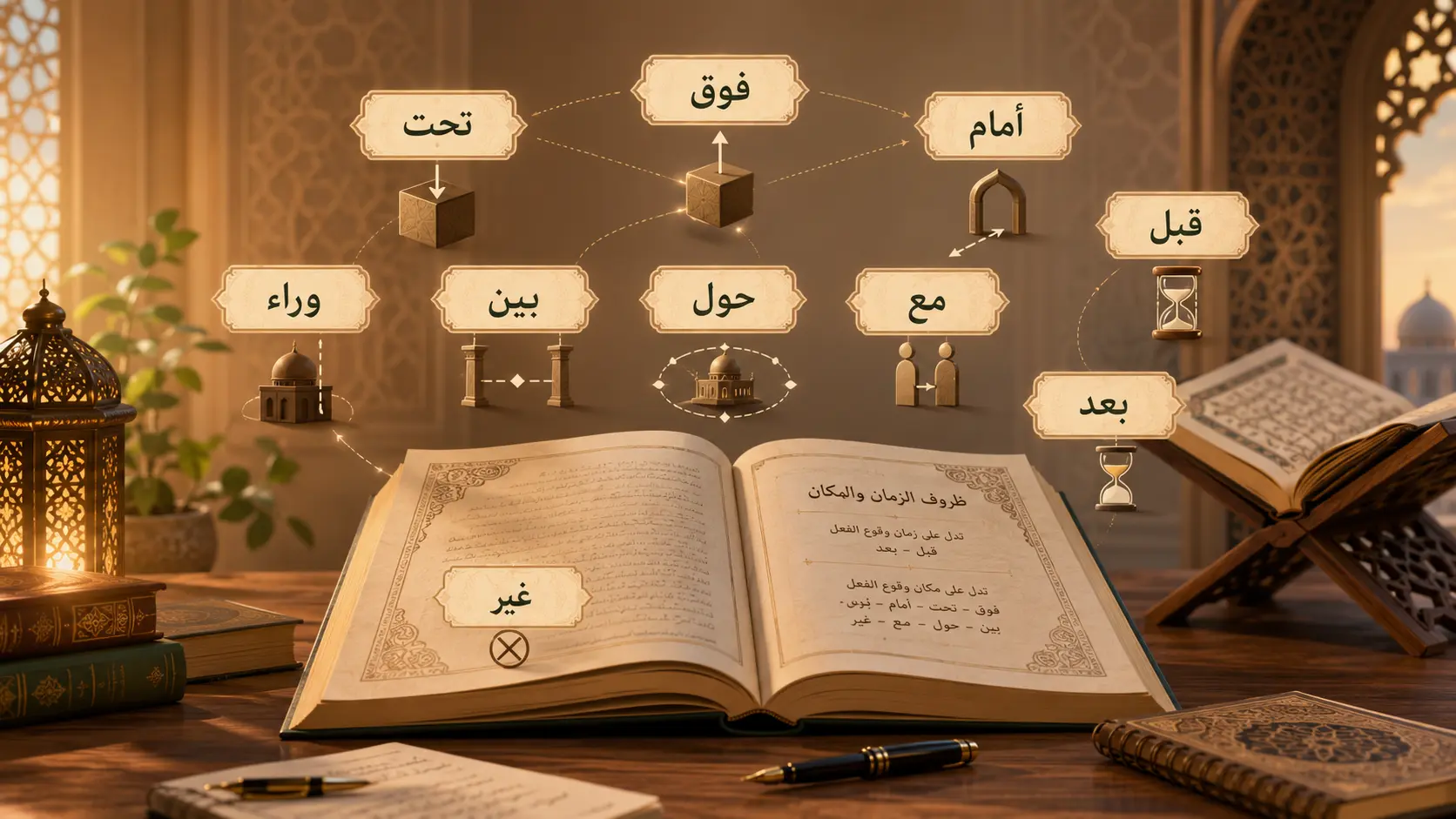
Usage of adverbs denoting time and place in the Noble Quran Here are notable instances of adverbs indicating time and place from the Holy Qur'an: تَحْتَ Under/beneath Votre navigateur ne supporte pas …

Recent articles
-
 June 10, 2026
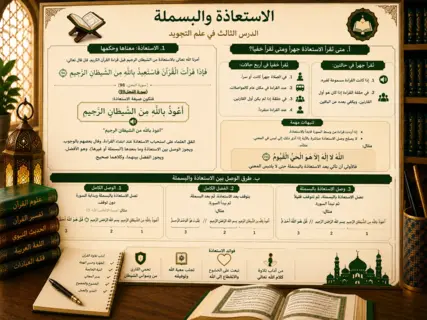
Al isti’adha and al basmala | Tajweed rules
-
 June 10, 2026
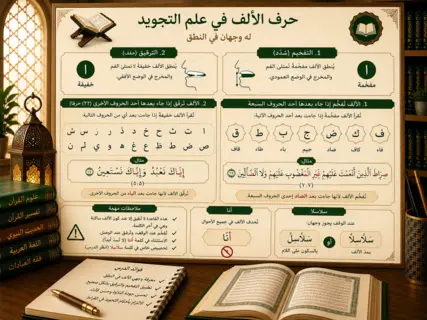
Understanding the Role of Alif | Free Tajweed Lesson
-
 June 9, 2026
Online Quran Memorization: Is It Really Possible?
-